
Satyajit Ray / World Cinema / Filmmaking History · Sep 23, 2026
The Film Cannes Almost Missed
কান প্রায় মিস করে ফেলেছিল যে ছবিটি
The Film Cannes Almost Missed: How Satyajit Ray Walked Into World Cinema Through a Midnight Screening One of the most extraordinary episodes of his film career happened not on a glamorous red carpet, but in an almost-empty cinema hall at Cannes. There…
যে ছবিটিকে কান প্রায় উপেক্ষা করেছিল: মধ্যরাতের এক প্রদর্শনীতে সত্যজিৎ রায়ের বিশ্ব চলচ্চিত্রে প্রবেশ। সত্যজিৎ রায়ের চলচ্চিত্রজীবনের অন্যতম অসাধারণ ঘটনা কোনো জাঁকজমকপূর্ণ রেড কার্পেটে ঘটেনি। ঘটেছিল কান চলচ্চিত্র উৎসবের প্রায় ফাঁকা একটি সিনেমা হলে, গভীর রাতে। কিছু চলচ্চিত্রের গল্প শুরু হয় দাঁড়িয়ে…
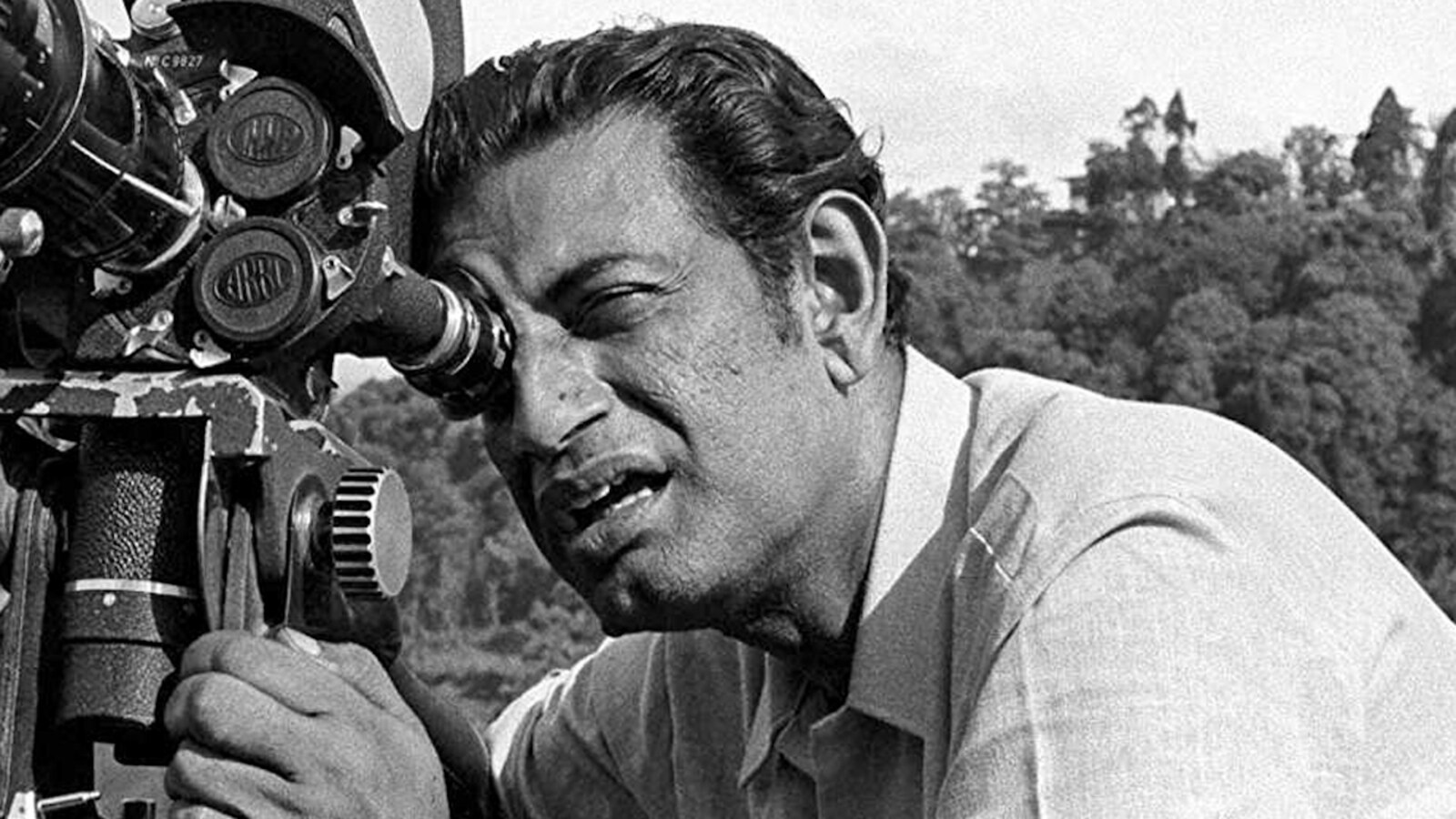
The Film Cannes Almost Missed: How Satyajit Ray Walked Into World Cinema Through a Midnight Screening
One of the most extraordinary episodes of his film career happened not on a glamorous red carpet, but in an almost-empty cinema hall at Cannes. There are film stories that begin with a standing ovation.
And then there is Satyajit Ray.
His international breakthrough began with something much less glamorous: a film that almost nobody at Cannes wanted to watch. In 1956, Ray’s debut feature, Pather Panchali, arrived at the Cannes Film Festival. Today, the film is regarded as one of the landmarks of world cinema. But at the time, the festival’s treatment of it was almost an insult.
The film was given a single midnight screening, scheduled at the same time as a party celebrating Japanese master Akira Kurosawa. The Indian delegation had done little to promote the screening, and many festivalgoers apparently had little reason to believe that this quiet Bengali film about a poor rural family was something they needed to see.
Then something unexpected happened.
A handful of major critics decided to skip the party.
They went to see Ray’s film.
And cinema history changed.
The Film Nobody Expected to Matter
Pather Panchali was not designed to impress Cannes with spectacle.
There were no glamorous stars.
No elaborate song-and-dance sequences.
No larger-than-life hero.
No conventional commercial plot.
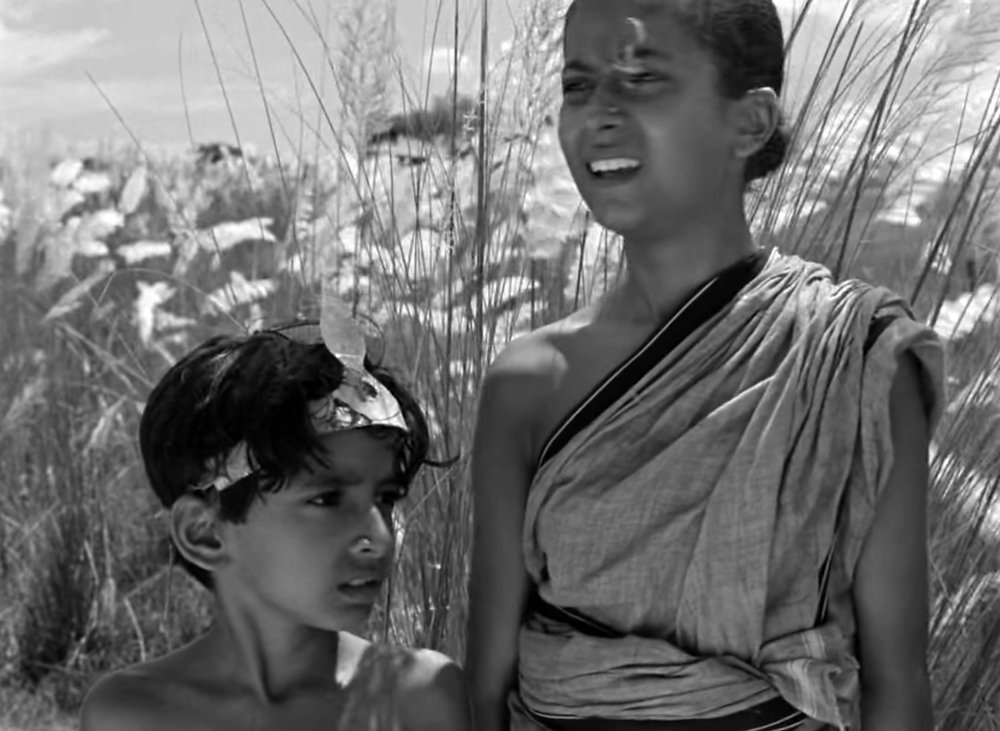
Instead, Ray showed the everyday life of a poor Bengali family through the eyes of children, particularly Apu and his sister Durga.
The film was adapted from Bibhutibhushan Bandopadhyay’s novel, and Ray approached the material with an unusually observational style. The result was intimate, quiet and deeply human.
That difference was exactly what made it extraordinary.
But getting the film made had already been an enormous struggle.
Ray had no previous experience directing a feature film. His cinematographer, Subrata Mitra, was also entering feature filmmaking without conventional experience. Ray assembled a young team around him and spent years trying to find someone willing to finance the project.
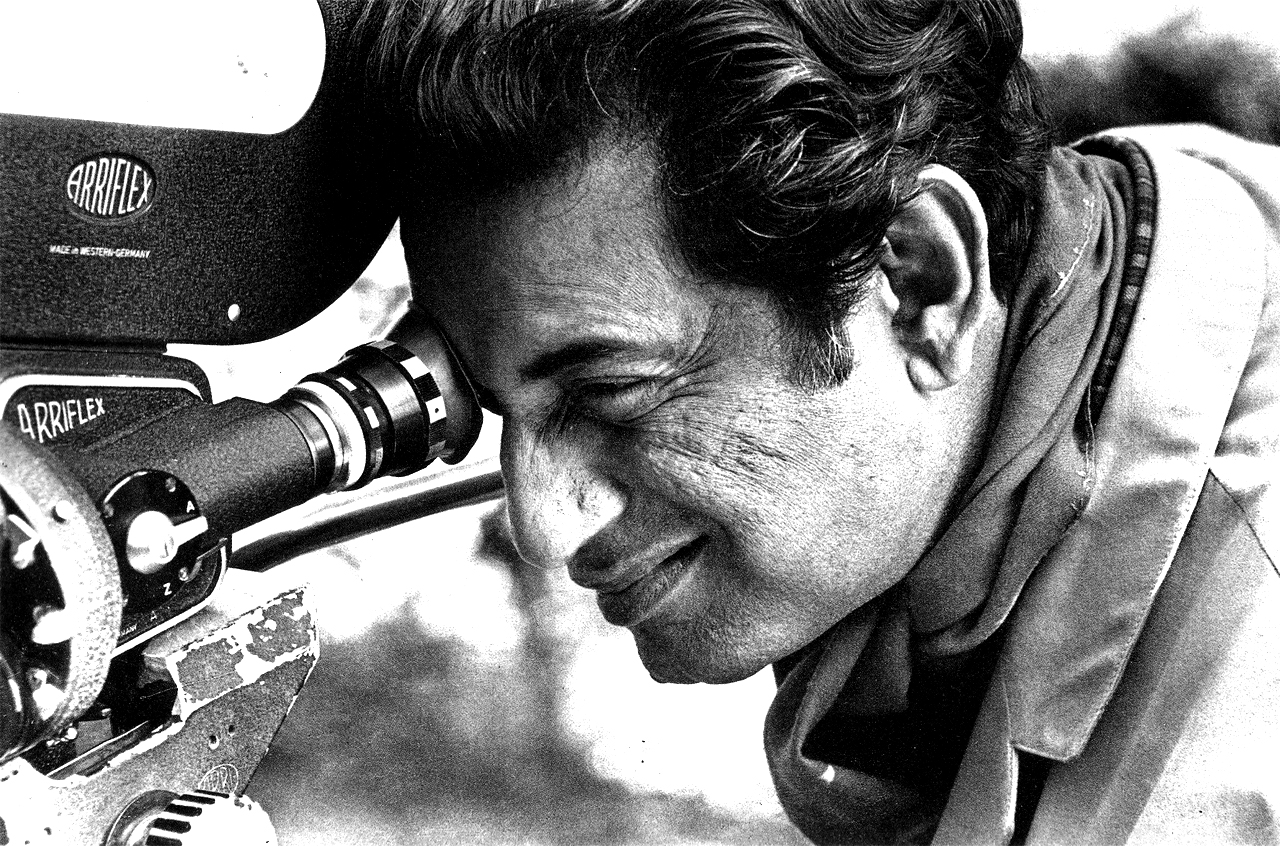
Producers were reluctant.
The idea of making an Indian film without the familiar commercial ingredients of songs and dances was difficult for them to accept.
So Ray did something almost reckless.
He started anyway.
He Mortgaged His Way Into Cinema
Unable to secure sufficient financing, Ray borrowed against his life-insurance policy and borrowed money from relatives and friends.
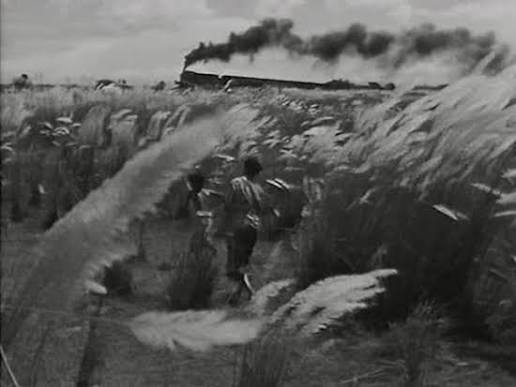
The first major sequence he shot was Apu and Durga discovering a train while running through a field of tall Kash flowers.
The production was being made largely on Sundays because Ray still had his advertising job at D.J. Keymer.
Then the money disappeared.
A producer who had initially supported the film could no longer provide financing after his own film failed commercially.
Ray’s wife, Bijoya, eventually pawned jewellery so that production could continue.
Eventually, the Government of West Bengal stepped in and provided financial support.
This is important because it changes how we understand what happened at Cannes.
Ray wasn’t sending a carefully manufactured prestige project from a powerful studio.
He was sending a film that had survived years of uncertainty, financial collapse and sheer persistence.
And Cannes almost ignored it.
Then Came That Midnight Screening
May 1956.
Cannes.
While festival attention was elsewhere, Pather Panchali was screened late at night.
The audience was small.
But among those who watched were influential critics including André Bazin, Georges Sadoul, Lotte Eisner, Lindsay Anderson and Gene Moskowitz. According to Criterion’s account of the festival, they were so impressed—and so unhappy with the film’s poor scheduling—that they pushed for another, more accessible screening.
That second chance mattered.
Because once people actually saw the film, it became increasingly difficult to dismiss.
Lindsay Anderson’s festival report devoted substantial attention to Pather Panchali, emphasizing that its power came not from a conventional plot but from the lives of its characters themselves.
Suddenly, the “Indian film” that could easily have disappeared into a midnight timeslot was becoming one of the stories of the festival.
And then came the award.
Cannes Gave Ray the Prize for “Best Human Document”
Pather Panchali received the Prix du Document Humain — Best Human Document at Cannes in 1956. The official Cannes archive confirms the award.
Think about the journey.
A first-time director.
A film made under severe financial pressure.
A largely inexperienced crew.
A quiet Bengali story.
A poorly attended midnight screening.
And then—
Cannes.
The film had crossed the distance between a small Bengali village and one of the world’s most important film festivals without changing what it was.
That may be the most remarkable part of the story.
Ray didn’t have to make his film louder for the world to hear it.
The world eventually had to become quiet enough to listen.
The Train Scene That Helped Change Everything
There is a beautiful irony at the center of Pather Panchali.
One of the film’s most memorable moments is not a grand cinematic spectacle.
Apu and Durga run through the countryside.
They see something they have never truly experienced before:
a train.
For the children, the train represents a world beyond their village.
And in a strange way, Ray’s own film was about to experience the same journey.
The film had been created inside a very specific Bengali world.
Then it travelled.
First across India.
Then to Cannes.
Then to audiences around the world.
The train Apu sees becomes almost a metaphor for Ray himself: a door opening toward a much larger world.
The Indian Express, reflecting on the film seven decades later, described the moment as the thrill of a child encountering the vastness of the world.
What Happened After Cannes?
Pather Panchali didn’t simply win one festival prize and disappear.
Its reputation spread internationally, and Ray was suddenly recognized as a major new filmmaking voice. Criterion notes that the film went on to win numerous awards around the world.
Ray then continued Apu’s story with:
Aparajito (1956)
and
Apur Sansar (1959)
Together they became the legendary Apu Trilogy.
But perhaps the most fascinating thing is that Ray’s career didn’t remain confined to one style.
He moved through comedy, social drama, detective stories, historical subjects, political themes and psychological narratives.
He made Charulata, The Music Room, The Big City, The Hero, The Chess Players, Pratidwandi, The Home and the World and many others.
His cinema kept changing.
His humanity didn’t.
The Real Lesson of Satyajit Ray’s Cannes Story
The popular version of a filmmaker’s breakthrough is usually simple:
Unknown filmmaker → great film → festival → standing ovation → success.
Ray’s story was messier.
His film was almost overlooked.
His production had nearly collapsed.
His financing had failed.
His crew was inexperienced.
His first Cannes screening was badly attended.
And yet the film survived long enough to find the audience it needed.
That is why the story remains so powerful for filmmakers today.
Sometimes the first challenge isn’t making the film.
Sometimes it is getting someone to look at it.
Ray’s achievement was not that Cannes immediately recognized him.
It was that when a few people finally looked closely, the film was strong enough to make them demand that everyone else look too.
And that is perhaps the most cinematic part of the entire story.
The world didn’t discover Satyajit Ray because someone told it to.
It discovered him because, for a few hours in Cannes, a small group of people chose to walk into the wrong room at the right time.
And inside that room was Pather Panchali.
যে ছবিটিকে কান প্রায় উপেক্ষা করেছিল: মধ্যরাতের এক প্রদর্শনীতে সত্যজিৎ রায়ের বিশ্ব চলচ্চিত্রে প্রবেশ।
সত্যজিৎ রায়ের চলচ্চিত্রজীবনের অন্যতম অসাধারণ ঘটনা কোনো জাঁকজমকপূর্ণ রেড কার্পেটে ঘটেনি। ঘটেছিল কান চলচ্চিত্র উৎসবের প্রায় ফাঁকা একটি সিনেমা হলে, গভীর রাতে।
কিছু চলচ্চিত্রের গল্প শুরু হয় দাঁড়িয়ে অভিবাদন বা standing ovation দিয়ে।
আর তারপর আছে সত্যজিৎ রায়।
তাঁর আন্তর্জাতিক সাফল্যের শুরুটা ছিল অনেক কম জাঁকজমকপূর্ণ—এমন একটি চলচ্চিত্র দিয়ে, যা কান চলচ্চিত্র উৎসবে প্রায় কেউই দেখতে চায়নি।
১৯৫৬ সালে রায়ের প্রথম পূর্ণদৈর্ঘ্য চলচ্চিত্র পথের পাঁচালী কান চলচ্চিত্র উৎসবে প্রদর্শিত হয়। আজ এই চলচ্চিত্রকে বিশ্ব চলচ্চিত্রের অন্যতম মাইলফলক হিসেবে বিবেচনা করা হয়। কিন্তু সেই সময় উৎসবে ছবিটির সঙ্গে যে আচরণ করা হয়েছিল, তা প্রায় অপমানজনকই বলা যায়।
ছবিটির জন্য নির্ধারিত হয়েছিল মাত্র একটি মধ্যরাতের প্রদর্শনী। একই সময়ে জাপানি চলচ্চিত্রের কিংবদন্তি আকিরা কুরোসাওয়াকে সম্মান জানিয়ে একটি পার্টির আয়োজন করা হয়েছিল।
ভারতীয় প্রতিনিধিদলও ছবিটির প্রদর্শনী নিয়ে খুব বেশি প্রচার করেনি। ফলে উৎসবে উপস্থিত অনেকেরই হয়তো মনে হয়নি যে দরিদ্র এক গ্রামীণ বাঙালি পরিবারের জীবন নিয়ে তৈরি এই নীরব, শান্ত চলচ্চিত্রটি তাদের দেখতেই হবে।
তারপর ঘটল অপ্রত্যাশিত কিছু।
কয়েকজন গুরুত্বপূর্ণ চলচ্চিত্র সমালোচক সেই পার্টিতে না যাওয়ার সিদ্ধান্ত নিলেন।
তাঁরা গেলেন রায়ের ছবি দেখতে।
আর সেখান থেকেই বদলে গেল চলচ্চিত্রের ইতিহাস।
যে ছবিকে কেউ গুরুত্বপূর্ণ হয়ে উঠবে বলে ভাবেনি
পথের পাঁচালী কান চলচ্চিত্র উৎসবকে চমকে দেওয়ার জন্য কোনো বড়সড় দৃশ্য বা জাঁকজমক নিয়ে তৈরি হয়নি।
ছিল না কোনো তারকা-সমৃদ্ধ অভিনয়শিল্পী।
ছিল না বিশাল কোনো গান-নাচের আয়োজন।
ছিল না কোনো অতিমানবীয় নায়ক।
ছিল না প্রচলিত বাণিজ্যিক গল্পের কাঠামো।
বরং রায় তুলে ধরেছিলেন এক দরিদ্র বাঙালি পরিবারের প্রতিদিনের জীবন—বিশেষ করে শিশু অপু ও তার বোন দুর্গার চোখ দিয়ে।
বিভূতিভূষণ বন্দ্যোপাধ্যায়ের উপন্যাস অবলম্বনে নির্মিত এই চলচ্চিত্রে রায় এমন এক পর্যবেক্ষণধর্মী চলচ্চিত্রভাষা ব্যবহার করেছিলেন, যা সেই সময়ের প্রচলিত ভারতীয় চলচ্চিত্রের তুলনায় ছিল ব্যতিক্রমী।
ফলাফল ছিল অন্তরঙ্গ, শান্ত এবং গভীরভাবে মানবিক।
আর ঠিক এই পার্থক্যই ছবিটিকে অসাধারণ করে তুলেছিল।
কিন্তু ছবিটি তৈরি করাই ছিল ইতিমধ্যে এক বিশাল সংগ্রাম।
রায়ের আগে পূর্ণদৈর্ঘ্য চলচ্চিত্র পরিচালনার কোনো অভিজ্ঞতা ছিল না। তাঁর চিত্রগ্রাহক সুব্রত মিত্রও প্রচলিত কোনো পূর্ণদৈর্ঘ্য চলচ্চিত্রের অভিজ্ঞতা ছাড়াই এই যাত্রায় যুক্ত হয়েছিলেন।
রায় তাঁর চারপাশে একদল তরুণ নির্মাণকর্মীকে নিয়ে দল গড়েছিলেন এবং বছরের পর বছর এমন একজন প্রযোজকের সন্ধান করেছিলেন, যিনি ছবিটির অর্থায়ন করতে রাজি হবেন।
প্রযোজকেরা দ্বিধায় ছিলেন।
গান ও নাচের মতো পরিচিত বাণিজ্যিক উপাদান ছাড়া একটি ভারতীয় চলচ্চিত্র তৈরি করার ধারণাটি তাঁদের কাছে সহজে গ্রহণযোগ্য ছিল না।
তাই রায় এমন একটি কাজ করলেন, যা প্রায় বেপরোয়া সাহসের মতো মনে হতে পারে।
তিনি শুরু করে দিলেন।
নিজের সবকিছু বন্ধক রেখেও তিনি সিনেমার পথে এগিয়ে গেলেন
পর্যাপ্ত অর্থায়ন নিশ্চিত করতে না পেরে রায় তাঁর জীবনবিমার পলিসির বিপরীতে ঋণ নেন এবং আত্মীয়স্বজন ও বন্ধুদের কাছ থেকেও অর্থ ধার করেন।
তিনি যে প্রথম গুরুত্বপূর্ণ দৃশ্যগুলোর একটি ধারণ করেছিলেন, সেখানে অপু ও দুর্গা লম্বা কাশফুলের মাঠের মধ্য দিয়ে দৌড়াতে দৌড়াতে প্রথমবারের মতো একটি ট্রেন দেখতে পায়।
ছবিটির শুটিং মূলত রবিবারে করা হতো, কারণ তখনও রায় D.J. Keymer-এ বিজ্ঞাপনের চাকরি করতেন।
তারপর অর্থ শেষ হয়ে গেল।
যে প্রযোজক শুরুতে ছবিটিকে সমর্থন করেছিলেন, তাঁর নিজের চলচ্চিত্র বাণিজ্যিকভাবে ব্যর্থ হওয়ার পর তিনি আর অর্থায়ন চালিয়ে যেতে পারলেন না।
শেষ পর্যন্ত ছবির কাজ চালিয়ে যাওয়ার জন্য রায়ের স্ত্রী বিজয়া রায় তাঁর গয়নাও বন্ধক রাখেন।
পরবর্তীতে পশ্চিমবঙ্গ সরকার এগিয়ে আসে এবং চলচ্চিত্রটির জন্য আর্থিক সহায়তা প্রদান করে।
এই ঘটনাটি গুরুত্বপূর্ণ, কারণ এর মাধ্যমে কান-যাত্রাটিকে আমরা অন্যভাবে দেখতে পারি।
রায় কোনো শক্তিশালী স্টুডিওর কাছ থেকে তৈরি করা, পরিকল্পিতভাবে মর্যাদাপূর্ণ করে তোলা কোনো চলচ্চিত্র কান-এ পাঠাচ্ছিলেন না।
তিনি পাঠাচ্ছিলেন এমন একটি চলচ্চিত্র, যা বছরের পর বছর অনিশ্চয়তা, অর্থনৈতিক সংকট এবং নিছক অধ্যবসায়ের মধ্য দিয়ে টিকে ছিল।
আর কান প্রায় সেটিকে উপেক্ষাই করে ফেলেছিল।
তারপর এলো সেই মধ্যরাতের প্রদর্শনী
মে, ১৯৫৬।
কান।
উৎসবের মূল মনোযোগ যখন অন্যদিকে, তখন গভীর রাতে পথের পাঁচালী প্রদর্শিত হলো।
দর্শকসংখ্যা ছিল কম।
কিন্তু উপস্থিত দর্শকদের মধ্যে ছিলেন প্রভাবশালী কয়েকজন চলচ্চিত্র সমালোচক—আন্দ্রে বাজাঁ, জর্জ সাদুল, লোতে আইজনার, লিন্ডসে অ্যান্ডারসন এবং জিন মোস্কোভিটজ।
Criterion-এর উৎসব-সংক্রান্ত বিবরণ অনুযায়ী, তাঁরা ছবিটি দেখে এতটাই মুগ্ধ হয়েছিলেন এবং ছবিটির দুর্বল সময়সূচি নিয়ে এতটাই অসন্তুষ্ট ছিলেন যে তাঁরা আরও সহজলভ্য একটি সময়ে ছবিটির দ্বিতীয় প্রদর্শনীর জন্য চাপ দেন।
সেই দ্বিতীয় সুযোগটি গুরুত্বপূর্ণ হয়ে উঠেছিল।
কারণ মানুষ যখন সত্যিই ছবিটি দেখতে শুরু করল, তখন সেটিকে আর সহজে উপেক্ষা করা গেল না।
লিন্ডসে অ্যান্ডারসনের উৎসব-রিপোর্টে পথের পাঁচালী নিয়ে উল্লেখযোগ্য পরিমাণ আলোচনা ছিল। তিনি জোর দিয়েছিলেন যে ছবিটির শক্তি কোনো প্রচলিত গল্পের কাঠামো থেকে আসেনি; বরং এসেছে ছবির চরিত্রগুলোর জীবন থেকেই।
হঠাৎ করে সেই “ভারতীয় চলচ্চিত্র”, যা অনায়াসে একটি মধ্যরাতের সময়সূচির মধ্যে হারিয়ে যেতে পারত, উৎসবের অন্যতম আলোচিত গল্পে পরিণত হতে শুরু করল।
আর তারপর এলো পুরস্কার।
কান রায়কে দিল “Best Human Document” পুরস্কার
১৯৫৬ সালের কান চলচ্চিত্র উৎসবে পথের পাঁচালী পেয়েছিল Prix du Document Humain — Best Human Document পুরস্কার। কান চলচ্চিত্র উৎসবের সরকারি আর্কাইভেও এই পুরস্কারের তথ্য নিশ্চিত করা হয়েছে।
একবার যাত্রাপথটা ভেবে দেখুন।
একজন প্রথমবারের পরিচালক।
তীব্র আর্থিক সংকটের মধ্যে তৈরি একটি চলচ্চিত্র।
অভিজ্ঞতাহীন এক তরুণ নির্মাণদল।
একটি শান্ত বাঙালি গল্প।
কম দর্শকের মধ্যরাতের প্রদর্শনী।
আর তারপর—
কান।
চলচ্চিত্রটি একটি ছোট বাঙালি গ্রামের দূরত্ব পেরিয়ে বিশ্বের অন্যতম গুরুত্বপূর্ণ চলচ্চিত্র উৎসবে পৌঁছেছিল—কিন্তু সেখানে পৌঁছে নিজেকে বদলে ফেলেনি।
সম্ভবত গল্পটির সবচেয়ে অসাধারণ দিক এটিই।
বিশ্বকে শোনানোর জন্য রায়কে তাঁর চলচ্চিত্রকে আরও জোরে কথা বলতে হয়নি।
শেষ পর্যন্ত বিশ্বকেই একটু নীরব হতে হয়েছিল—শোনার জন্য।
যে ট্রেনের দৃশ্যটি সবকিছু বদলে দেওয়ার পথে সাহায্য করেছিল
পথের পাঁচালী-র কেন্দ্রে রয়েছে এক সুন্দর বৈপরীত্য।
ছবিটির সবচেয়ে স্মরণীয় মুহূর্তগুলোর একটি কোনো বিশাল চলচ্চিত্রিক প্রদর্শনী নয়।
অপু ও দুর্গা গ্রামের পথ ধরে দৌড়ায়।
তারা এমন কিছু দেখতে পায়, যার সঙ্গে তাদের পরিচয় প্রায় নেই—
একটি ট্রেন।
শিশুদের কাছে ট্রেনটি তাদের গ্রামের বাইরের এক বিশাল পৃথিবীর প্রতীক।
আর অদ্ভুতভাবে, রায়ের নিজের চলচ্চিত্রও যেন একই যাত্রায় বেরিয়ে পড়েছিল।
ছবিটি তৈরি হয়েছিল একটি নির্দিষ্ট বাঙালি বাস্তবতার ভেতর থেকে।
তারপর সেটি যাত্রা করল।
প্রথমে ভারতের এক প্রান্ত থেকে অন্য প্রান্তে।
তারপর কান-এ।
তারপর বিশ্বের বিভিন্ন দেশের দর্শকের কাছে।
অপুর দেখা সেই ট্রেনটি যেন রায়ের নিজের যাত্রারও এক রূপক হয়ে উঠল—
একটি দরজা খুলে গেল আরও বিশাল এক পৃথিবীর দিকে।
সাত দশক পর চলচ্চিত্রটি নিয়ে ফিরে তাকিয়ে The Indian Express এই মুহূর্তটিকে একটি শিশুর বিশাল পৃথিবীর সঙ্গে প্রথম পরিচয়ের উত্তেজনা হিসেবে বর্ণনা করেছে।
কান-এর পর কী ঘটেছিল?
পথের পাঁচালী শুধু একটি উৎসবের পুরস্কার জিতে হারিয়ে যায়নি।
এর আন্তর্জাতিক পরিচিতি দ্রুত ছড়িয়ে পড়ে এবং রায় হঠাৎ করেই চলচ্চিত্রের এক গুরুত্বপূর্ণ নতুন কণ্ঠ হিসেবে স্বীকৃতি পেতে শুরু করেন। Criterion-এর তথ্য অনুযায়ী, পরবর্তীতে চলচ্চিত্রটি বিশ্বের বিভিন্ন প্রান্তে অসংখ্য পুরস্কার অর্জন করে।
এরপর রায় অপুর গল্প এগিয়ে নিয়ে গেলেন—
অপরাজিত (১৯৫৬)
এবং
অপুর সংসার (১৯৫৯)
এই তিনটি চলচ্চিত্র একসঙ্গে হয়ে উঠল কিংবদন্তিতুল্য অপু ট্রিলজি।
কিন্তু সম্ভবত আরও আকর্ষণীয় বিষয় হলো—রায়ের চলচ্চিত্রজগৎ কখনো একটি নির্দিষ্ট ধারার মধ্যে আটকে থাকেনি।
তিনি কমেডি, সামাজিক নাটক, গোয়েন্দা গল্প, ঐতিহাসিক বিষয়, রাজনৈতিক প্রেক্ষাপট এবং মনস্তাত্ত্বিক আখ্যান—বিভিন্ন ধরনের গল্প নিয়ে কাজ করেছেন।
তিনি নির্মাণ করেছেন চারুলতা, জলসাঘর, মহানগর, নায়ক, শতরঞ্জ কে খিলাড়ি, প্রতিদ্বন্দ্বী, ঘরে বাইরে এবং আরও অসংখ্য চলচ্চিত্র।
তাঁর সিনেমা বারবার বদলেছে।
কিন্তু তাঁর মানবিক দৃষ্টিভঙ্গি বদলায়নি।
সত্যজিৎ রায়ের কান-যাত্রার আসল শিক্ষা
একজন চলচ্চিত্র নির্মাতার সাফল্যের গল্প আমরা সাধারণত খুব সহজভাবে কল্পনা করি:
অজানা নির্মাতা → অসাধারণ চলচ্চিত্র → চলচ্চিত্র উৎসব → দাঁড়িয়ে অভিবাদন → সাফল্য।
রায়ের গল্প এতটা সরল ছিল না।
তাঁর চলচ্চিত্র প্রায় উপেক্ষিত হয়েছিল।
ছবির নির্মাণ প্রায় ভেঙে পড়েছিল।
অর্থায়ন ব্যর্থ হয়েছিল।
তাঁর দলের অনেকেই ছিলেন অনভিজ্ঞ।
কানে তাঁর প্রথম প্রদর্শনীতে দর্শকসংখ্যা ছিল কম।
তারপরও চলচ্চিত্রটি এতটা সময় টিকে ছিল যে শেষ পর্যন্ত নিজের প্রয়োজনীয় দর্শকের কাছে পৌঁছাতে পেরেছিল।
আর এ কারণেই গল্পটি আজও চলচ্চিত্র নির্মাতাদের কাছে এত শক্তিশালী।
কখনো কখনো চলচ্চিত্র নির্মাণ করাটাই প্রথম চ্যালেঞ্জ নয়।
কখনো চ্যালেঞ্জ হলো—
কাউকে সেটি দেখতে রাজি করানো।
রায়ের সাফল্য শুধু এই কারণে নয় যে কান তাঁকে সঙ্গে সঙ্গেই চিনে ফেলেছিল।
বরং এই কারণে যে, যখন শেষ পর্যন্ত কয়েকজন মানুষ ছবিটির দিকে মনোযোগ দিয়ে তাকালেন, চলচ্চিত্রটি এতটাই শক্তিশালী ছিল যে তাঁরা অন্য সবাইকেও সেটি দেখার দাবি জানালেন।
আর সম্ভবত পুরো গল্পের সবচেয়ে সিনেমাটিক অংশটিও এটাই।
কেউ বলে দিয়েছিল বলে বিশ্ব সত্যজিৎ রায়কে আবিষ্কার করেনি।
বিশ্ব তাঁকে আবিষ্কার করেছিল কারণ কান-এর সেই কয়েক ঘণ্টায় একদল মানুষ সঠিক সময়ে ভুল ঘরে ঢোকার সিদ্ধান্ত নিয়েছিল।
আর সেই ঘরের ভেতর ছিল—
পথের পাঁচালী।