🤖 AI & The Future of Filmmaking · Sep 23, 2026
AI Can Make Movies. But It Can Never Become a Filmmaker. Here’s Why.
AI সিনেমা বানাতে পারবে। কিন্তু কখনোই একজন ফিল্মমেকার হয়ে উঠতে পারবে না—কেন?
AI Will Make Movies. But It Will Never Replace the Filmmaker. There is a question floating around the film industry right now: “Will AI replace filmmakers?” Maybe. Maybe it will replace some jobs. Maybe it will generate shots that once required a…
AI সিনেমা বানাতে পারবে। কিন্তু কখনোই একজন ফিল্মমেকার হয়ে উঠতে পারবে না—কেন? এখন ফিল্ম ইন্ডাস্ট্রিতে সবচেয়ে বেশি ঘুরে বেড়ানো প্রশ্নগুলোর একটি— “AI কি একদিন ফিল্মমেকারদের জায়গা নিয়ে নেবে?” হয়তো AI কিছু কাজ নিয়ে নেবে। হয়তো এমন কিছু শট তৈরি করবে, যেগুলোর জন্য…
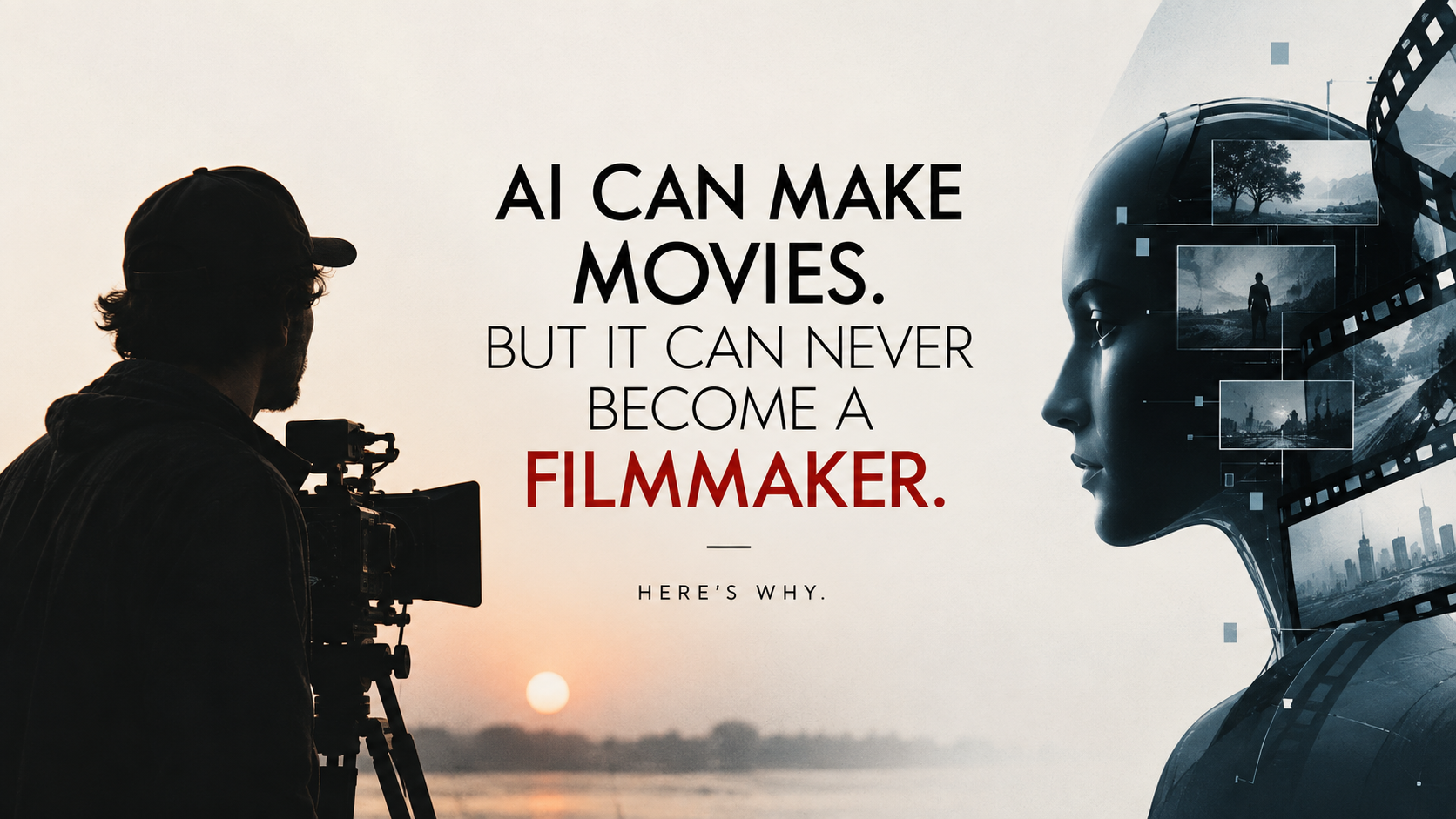
AI Will Make Movies. But It Will Never Replace the Filmmaker.
There is a question floating around the film industry right now:
“Will AI replace filmmakers?”
Maybe.
Maybe it will replace some jobs.
Maybe it will generate shots that once required a crew of fifty people.
Maybe one day you will type a sentence into a computer and get a complete two-hour movie.
But there is one thing AI will struggle to replace:
The reason a human being wanted to make that movie in the first place.
And that is where the real battle begins.
A Beautiful Image Is Not a Film
AI can create a breathtaking image in seconds.
A lonely man standing under the rain.
A woman walking through a burning city.
A spaceship floating above Saturn.
A village at sunset.
A perfect close-up.
Perfect lighting.
Perfect composition.
Perfect skin.
Everything can look cinematic.
But filmmaking was never just about making beautiful images.
Cinema is about deciding what the image means.
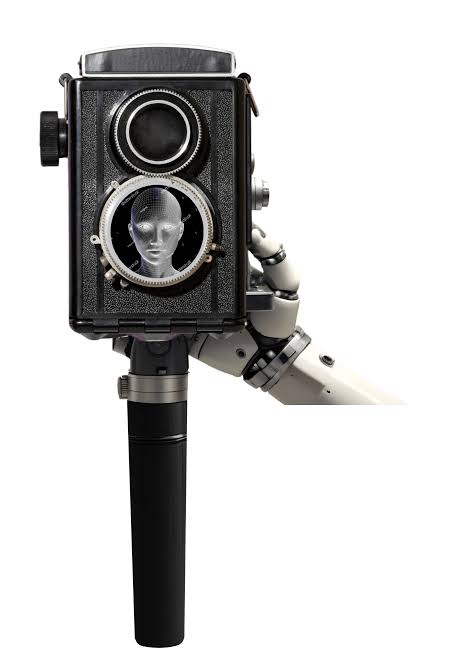
A camera doesn’t make a filmmaker.
A beautiful frame doesn’t make a story.
And an AI-generated image doesn’t automatically become cinema.
You can generate a thousand spectacular shots.
But if nobody has anything to say, you simply have a thousand beautiful shots.
Not a film.
AI Can Learn Cinema. It Can’t Live Your Life.
This is the part we often forget.
Every filmmaker brings something invisible into a film.
Their childhood.
Their fears.
Their failures.
Their relationships.
Their city.
Their country.
Their memories.
Their politics.
Their loneliness.
Their first heartbreak.
The smell of their grandmother’s house.
The sound of rain hitting the tin roof when they were seven.
The person they lost.
The person they couldn’t forgive.
AI can study millions of films.
It can learn framing.
It can learn colour.
It can learn pacing.
It can imitate dialogue.
It can reproduce visual styles.
But it hasn’t lived the life that made you want to tell your story.
And filmmaking begins there.
The Most Powerful Films Were Not Born From Prompts
Think about the movies that stayed with you.
Not necessarily the most expensive ones.
Not necessarily the films with the best visual effects.
The films you remember because something inside them felt painfully real.
A character reminded you of your father.
A conversation sounded like something you once said.
A street looked like your childhood.
A goodbye reminded you of someone you lost.
A silence lasted exactly long enough to hurt.
That emotional connection is difficult to measure.
It doesn’t come from resolution.
It doesn’t come from frame rate.
It doesn’t come from a perfect prompt.
It comes from human experience.
AI Doesn’t Have a Childhood
Imagine asking a filmmaker:
“Why did you put that shot there?”
Sometimes the answer won’t be technical.
They might say:
“Because it reminded me of my mother.”
Or:
“Because I saw something like this when I was a child.”
Or:
“Because the character reminded me of someone I knew.”
That answer can completely change how you see the shot.
AI can tell you how an image was constructed.
But the deeper question is:
Why does this image need to exist?
That question belongs to the filmmaker.
But Let’s Be Honest About AI
This doesn’t mean AI is useless.
Quite the opposite.
AI is going to change filmmaking enormously.
It can help filmmakers develop ideas faster.
Create storyboards.
Visualise impossible concepts.
Explore production design.
Generate references.
Test compositions.
Assist with editing workflows.
Help independent filmmakers achieve things that once required enormous budgets.
And that’s exciting.
The filmmaker of the future may have access to tools that previous generations could only dream about.
But a tool is not the artist.
A camera didn’t replace directors.
Editing software didn’t replace storytelling.
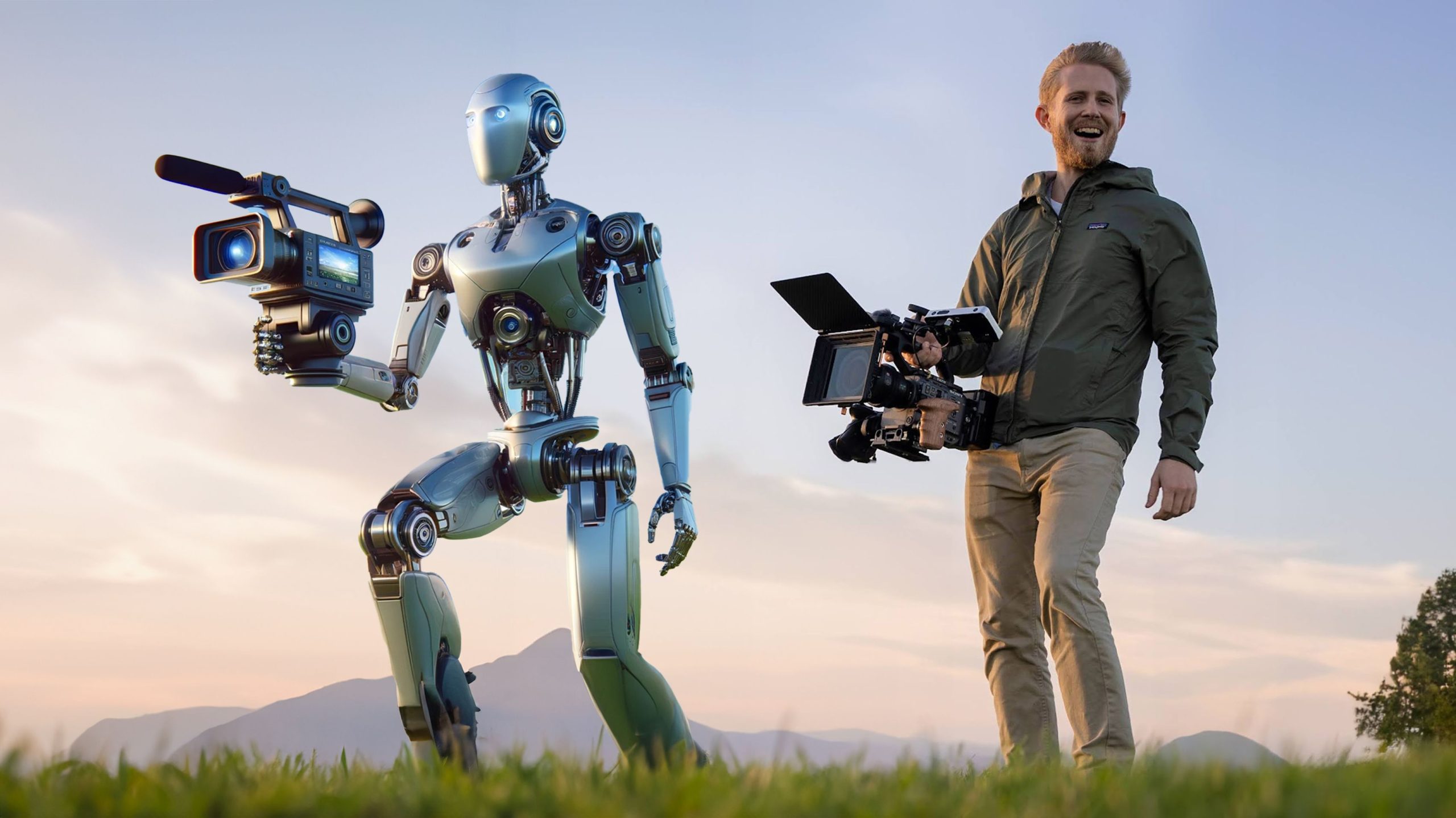
Digital cameras didn’t kill cinema.
CGI didn’t eliminate actors.
Technology changes the language of filmmaking.
It doesn’t automatically become the author.
The Danger Isn’t AI
Here’s the uncomfortable part.
The biggest threat may not be AI.
It may be filmmakers who use AI without having anything to say.
If someone believes filmmaking is simply:
Prompt → Image → Video → Movie
then AI can produce endless content.
But content is not automatically cinema.
The internet is already drowning in content.
What people are starving for is something worth remembering.
The Future Belongs to Filmmakers Who Know What to Ask
The most powerful filmmaker in the AI era may not be the person who knows the longest prompt.
It may be the person who knows the right question.
Why is this character silent?
Why does this scene happen at night?
Why should the camera stay still?
Why shouldn’t the audience see the face?
Why does this character forgive him?
Why does she leave?
Why does the story happen in Bangladesh?
Why this village?
Why this language?
Why this ending?
AI can give you thousands of answers.
The filmmaker decides which question matters.
Human Imperfection Is Part of Cinema
There is another reason human filmmaking will remain powerful.
We don’t always love movies because they’re perfect.
Sometimes we love them because they’re imperfect.
A slightly shaky camera.
A strange pause.
An actor looking away at the wrong moment.
A location that wasn’t perfect.
A voice cracking during dialogue.
A face carrying real exhaustion.
A mistake that somehow makes the scene feel alive.
Human beings recognise human imperfection.
And sometimes that imperfection is exactly what makes a moment unforgettable.
AI will probably become extraordinarily good at creating believable imperfection.
But there is a difference between simulating imperfection and experiencing it.
The Next Great Filmmaker Might Use AI
And here’s where the argument becomes more interesting.
I don’t think the future is:
Human vs AI.
It is probably:
Human + AI.
A filmmaker may use AI to create ten visual concepts before breakfast.
A writer may explore twenty story possibilities in an afternoon.
A small production company may create previsualisation that previously required an entire department.
A director may experiment with impossible worlds before spending a single dollar on production.
That doesn’t make the filmmaker less important.
It could make the filmmaker more powerful.
Because when technology becomes cheaper, imagination becomes more valuable.
Hollywood Doesn’t Need More Perfect Images
Neither does Bangladesh.
What we need are stories that feel like they could only have come from here.
The sound of a CNG starting on a Dhaka street.
A wedding hall after everyone has gone home.
A fishing boat disappearing into fog.
A mother waiting beside a hospital corridor.
A teenager sitting alone on a rooftop in Chattogram.
A village road after the rain.
A father who doesn’t know how to say sorry.
A daughter who doesn’t know whether to leave.
These things don’t become powerful because they are visually spectacular.
They become powerful because someone has lived them.
And that someone can turn experience into cinema.
AI Can Generate a Movie.
Maybe one day it will generate a movie better than most movies we have seen.
Maybe it will write convincing dialogue.
Maybe it will create extraordinary performances.
Maybe it will understand cinematic grammar better than most beginners.
Maybe it will make production radically cheaper.
All of that is possible.
But filmmaking isn’t only the production of moving images.
Cinema is the expression of a human perspective through moving images.
And perspective is the part that matters.
So, Will AI Defeat Human Filmmaking?
I don’t think the interesting question is whether AI can make a film.
It obviously can help make films.
The real question is:
Who has something worth saying?
Because audiences don’t fall in love with technology.
They fall in love with characters.
They remember moments.
They recognise themselves in stories.
They cry because somebody on screen reminds them of somebody they lost.
They laugh because a character behaves exactly like someone they know.
They leave the cinema carrying a feeling they cannot explain.
That’s the magic.
And that’s why the future of cinema doesn’t belong entirely to AI.
It belongs to storytellers.
Some will use cameras.
Some will use virtual production.
Some will use AI.
Some will use all of them.
But behind the technology, there will still need to be someone asking the oldest question in filmmaking:
“What do I want people to feel?”
Because AI may eventually learn how to make the picture.
But the reason to make the picture will always begin with us.
AI সিনেমা বানাতে পারবে। কিন্তু কখনোই একজন ফিল্মমেকার হয়ে উঠতে পারবে না—কেন?
এখন ফিল্ম ইন্ডাস্ট্রিতে সবচেয়ে বেশি ঘুরে বেড়ানো প্রশ্নগুলোর একটি—
“AI কি একদিন ফিল্মমেকারদের জায়গা নিয়ে নেবে?”
হয়তো AI কিছু কাজ নিয়ে নেবে।
হয়তো এমন কিছু শট তৈরি করবে, যেগুলোর জন্য একসময় ৫০ জনের ক্রু দরকার হতো।
হয়তো একদিন আপনি শুধু কয়েকটি বাক্য লিখবেন, আর কম্পিউটার আপনার জন্য দুই ঘণ্টার একটি সিনেমা বানিয়ে দেবে।
কিন্তু একটা জায়গায় এসে AI-এর সামনে সবচেয়ে কঠিন প্রশ্নটা দাঁড়াবে—
এই সিনেমাটা বানানোর দরকারটাই বা কেন হলো?
আর ঠিক সেখানেই শুরু হয় মানুষের গল্প।
একটা সুন্দর ছবি মানেই সিনেমা নয়
AI কয়েক সেকেন্ডের মধ্যে অসাধারণ একটি ছবি তৈরি করতে পারে।
বৃষ্টির মধ্যে একা দাঁড়িয়ে থাকা একজন মানুষ।
আগুনে জ্বলতে থাকা শহরের মধ্য দিয়ে হেঁটে যাচ্ছে একজন নারী।
শনি গ্রহের সামনে ভাসছে একটি মহাকাশযান।
সূর্যাস্তের আলোয় দাঁড়িয়ে একটি গ্রাম।
একটি নিখুঁত ক্লোজ-আপ।
নিখুঁত আলো।
নিখুঁত কম্পোজিশন।
সবকিছুই দেখতে সিনেমাটিক।
কিন্তু একটা বিষয় আমরা ভুলে যাচ্ছি—
ফিল্মমেকিং কখনোই শুধু সুন্দর ছবি বানানোর নাম ছিল না।
সিনেমা হলো—একটি ছবির অর্থ তৈরি করা।
ক্যামেরা একজন ফিল্মমেকার তৈরি করে না।
সুন্দর একটি ফ্রেম একটি গল্প তৈরি করে না।
আর AI দিয়ে তৈরি একটি অসাধারণ দৃশ্যও নিজে থেকে সিনেমা হয়ে যায় না।
আপনি এক হাজার অসাধারণ শট বানাতে পারেন।
কিন্তু যদি বলার মতো কিছু না থাকে, তাহলে আপনার কাছে থাকবে—
এক হাজার সুন্দর শট।
সিনেমা নয়।
AI সিনেমা শিখতে পারে। কিন্তু আপনার জীবন বাঁচতে পারে না।
এটাই সম্ভবত সবচেয়ে গুরুত্বপূর্ণ জায়গা।
একজন ফিল্মমেকার যখন সিনেমা বানান, তখন তিনি শুধু একটি গল্প বলেন না।
তার সঙ্গে ছবির ভেতরে ঢুকে পড়ে তার—
শৈশব।
ভয়।
ব্যর্থতা।
সম্পর্ক।
শহর।
দেশ।
একাকীত্ব।
প্রথম প্রেম।
প্রথম বিচ্ছেদ।
হারিয়ে ফেলা মানুষ।
ক্ষমা করতে না পারা মানুষ।
দাদির বাড়ির সেই গন্ধ।
সাত বছর বয়সে টিনের চালে বৃষ্টির শব্দ।
এসব জিনিস কোনো স্ক্রিপ্টে লেখা থাকে না।
কিন্তু এগুলোই অনেক সময় একজন নির্মাতার সিনেমাকে তৈরি করে।
AI লক্ষ লক্ষ সিনেমা বিশ্লেষণ করতে পারে।
সে ক্যামেরার অ্যাঙ্গেল শিখতে পারে।
কালার গ্রেডিং শিখতে পারে।
ডায়লগের ধরন শিখতে পারে।
এডিটিংয়ের গতি বুঝতে পারে।
একটি নির্দিষ্ট ভিজ্যুয়াল স্টাইলও অনুকরণ করতে পারে।
কিন্তু—
যে জীবন আপনাকে একটি গল্প বলতে বাধ্য করেছে, সেই জীবন AI বাঁচেনি।
আর ফিল্মমেকিংয়ের শুরুটা সেখানেই।
একটি অসাধারণ সিনেমা শুধু Prompt থেকে জন্ম নেয় না
আপনার জীবনে এমন কিছু সিনেমা নিশ্চয়ই আছে, যেগুলো শেষ হওয়ার পরও মাথা থেকে বের হয়নি।
হয়তো সিনেমাটির বাজেট বিশাল ছিল না।
হয়তো ভিজ্যুয়াল ইফেক্টও ছিল না অসাধারণ।
তবু কোনো একটি দৃশ্য আপনাকে থামিয়ে দিয়েছে।
কোনো চরিত্রের মধ্যে আপনি আপনার বাবাকে খুঁজে পেয়েছেন।
কোনো সংলাপ শুনে মনে হয়েছে—
“এই কথাটা তো আমিও একদিন বলেছিলাম।”
কোনো রাস্তা আপনার শৈশবের কথা মনে করিয়ে দিয়েছে।
কোনো বিদায় দৃশ্য আপনাকে মনে করিয়ে দিয়েছে এমন একজনকে, যাকে আপনি হারিয়েছেন।
কখনো হয়তো একজন চরিত্রের নীরবতা আপনাকে বেশি কাঁদিয়েছে তার সংলাপের চেয়েও।
এই অনুভূতিগুলো শুধু রেজোলিউশন দিয়ে তৈরি হয় না।
ফ্রেম রেট দিয়ে তৈরি হয় না।
একটা নিখুঁত Prompt দিয়েও তৈরি হয় না।
এগুলো আসে—
মানুষের অভিজ্ঞতা থেকে।
AI-এর কোনো শৈশব নেই
একজন পরিচালককে যদি জিজ্ঞেস করা হয়—
“আপনি এই শটটা এখানে কেন রেখেছেন?”
সবসময় উত্তরটা টেকনিক্যাল হবে না।
হয়তো তিনি বলবেন—
“আমার মায়ের কথা মনে হয়েছিল।”
অথবা—
“ছোটবেলায় এমন একটা দৃশ্য দেখেছিলাম।”
অথবা—
“চরিত্রটাকে আমার পরিচিত একজন মানুষের মতো মনে হয়েছিল।”
একটি মাত্র উত্তর পুরো দৃশ্যটির অর্থ বদলে দিতে পারে।
AI হয়তো বলতে পারবে—
কীভাবে একটি ছবি তৈরি করা হয়েছে।
কিন্তু আরও গুরুত্বপূর্ণ প্রশ্নটি হলো—
এই ছবিটা তৈরি করার প্রয়োজন কেন হলো?
এই প্রশ্নের উত্তর একজন ফিল্মমেকারের কাছে থাকে।
তাহলে কি AI-এর কোনো মূল্য নেই?
অবশ্যই আছে।
বরং AI ফিল্মমেকিংকে আমূল বদলে দিতে পারে।
AI দিয়ে একজন নির্মাতা দ্রুত—
স্টোরি আইডিয়া পরীক্ষা করতে পারবেন।
স্টোরিবোর্ড তৈরি করতে পারবেন।
অসম্ভব ভিজ্যুয়াল কল্পনা করে দেখতে পারবেন।
প্রোডাকশন ডিজাইনের ধারণা তৈরি করতে পারবেন।
লোকেশন বা ফ্রেমিংয়ের রেফারেন্স বানাতে পারবেন।
এডিটিংয়ের বিভিন্ন সম্ভাবনা পরীক্ষা করতে পারবেন।
একজন ছোট নির্মাতা এমন কাজ করতে পারবেন, যেটার জন্য আগে বিশাল বাজেট প্রয়োজন হতো।
এটা ভয় পাওয়ার বিষয় নয়।
বরং সঠিকভাবে ব্যবহার করতে পারলে এটা অসাধারণ সুযোগ।
কারণ প্রযুক্তি সবসময় ফিল্মমেকিংয়ের ভাষা বদলেছে।
ক্যামেরা পরিচালককে মেরে ফেলেনি।
ডিজিটাল ক্যামেরা সিনেমাকে শেষ করেনি।
CGI অভিনেতাকে শেষ করেনি।
এডিটিং সফটওয়্যার গল্প বলা বন্ধ করেনি।
প্রযুক্তি বদলায়।
কিন্তু গল্প বলার প্রয়োজনটা থেকে যায়।
আসল বিপদ AI নয়
এখানে একটা অস্বস্তিকর সত্য আছে।
ফিল্মমেকিংয়ের জন্য সবচেয়ে বড় বিপদ হয়তো AI নয়।
বিপদ হতে পারে এমন ফিল্মমেকার, যার বলার মতো কিছু নেই কিন্তু AI আছে।
যদি কেউ মনে করেন—
Prompt → Image → Video → Movie
এই হলো সিনেমা বানানোর পুরো প্রক্রিয়া, তাহলে ভবিষ্যতে অসংখ্য সিনেমার মতো দেখতে ভিডিও তৈরি হবে।
কিন্তু সব ভিডিও সিনেমা হবে না।
ইন্টারনেট এমনিতেই কনটেন্টে ভরে গেছে।
আমাদের সমস্যা কনটেন্টের অভাব নয়।
আমাদের সমস্যা হলো—
মনে রাখার মতো গল্পের অভাব।
আগামী দিনের বড় ফিল্মমেকার হয়তো সবচেয়ে ভালো Prompt লেখেন না
হয়তো তিনি সবচেয়ে ভালো প্রশ্নটা করতে পারেন।
কেন এই চরিত্রটি চুপ?
কেন দৃশ্যটি রাতে?
ক্যামেরা নড়বে না কেন?
দর্শককে চরিত্রটির মুখ দেখানো হবে না কেন?
সে তাকে ক্ষমা করল কেন?
সে চলে গেল কেন?
গল্পটা বাংলাদেশে কেন?
এই গ্রামটাই কেন?
এই ভাষাটাই কেন?
এই শেষটাই কেন?
AI আপনাকে হাজার হাজার উত্তর দিতে পারে।
কিন্তু—
কোন প্রশ্নটি গুরুত্বপূর্ণ, সেটা ফিল্মমেকারকেই ঠিক করতে হবে।
মানুষের অসম্পূর্ণতাই অনেক সময় সিনেমাকে সুন্দর করে
আমরা সবসময় নিখুঁত সিনেমা ভালোবাসি না।
অনেক সময় সিনেমার ছোট ছোট অসম্পূর্ণতাই তাকে জীবন্ত করে তোলে।
একটু কাঁপা ক্যামেরা।
একটু অদ্ভুত বিরতি।
অভিনেতার ঠিক সময়ে সংলাপ না বলা।
ক্যামেরার সামনে একটু বেশি সময় দাঁড়িয়ে থাকা।
অসম্পূর্ণ কোনো লোকেশন।
কথা বলতে গিয়ে অভিনেতার কণ্ঠ কেঁপে ওঠা।
একটি মুখে সত্যিকারের ক্লান্তি।
এসব জিনিস কখনো কখনো দৃশ্যকে আরও বাস্তব করে।
AI ভবিষ্যতে হয়তো অসম্পূর্ণতাও অসাধারণভাবে তৈরি করতে পারবে।
কিন্তু একটা পার্থক্য থেকে যাবে—
অসম্পূর্ণতাকে অনুকরণ করা আর অসম্পূর্ণতার মধ্য দিয়ে বেঁচে থাকা এক জিনিস নয়।
ভবিষ্যতের বড় ফিল্মমেকার AI ব্যবহার করতেই পারেন
এখানেই আসল আলোচনাটা আরও গুরুত্বপূর্ণ হয়ে ওঠে।
ভবিষ্যৎ সম্ভবত—
Human vs AI
হবে না।
বরং হবে—
Human + AI।
একজন পরিচালক সকালে বসে দশটি ভিজ্যুয়াল ধারণা পরীক্ষা করতে পারবেন।
একজন লেখক এক বিকেলে বিশটি গল্পের সম্ভাবনা যাচাই করতে পারবেন।
একটি ছোট প্রোডাকশন কোম্পানি এমন Pre-visualization তৈরি করতে পারবে, যার জন্য আগে আলাদা একটি বিভাগ দরকার হতো।
একজন পরিচালক কোনো টাকা খরচ করার আগেই অসম্ভব একটি পৃথিবী কেমন দেখতে পারে তা পরীক্ষা করতে পারবেন।
এতে ফিল্মমেকার অপ্রয়োজনীয় হয়ে যাবেন না।
বরং—
ফিল্মমেকার আরও শক্তিশালী হয়ে উঠতে পারেন।
কারণ প্রযুক্তি যখন সহজলভ্য হয়, তখন কল্পনার মূল্য আরও বেড়ে যায়।
Hollywood-এর আরও নিখুঁত ছবি দরকার নেই
বাংলাদেশেরও নেই।
আমাদের দরকার এমন গল্প, যেগুলো মনে হবে—
এই গল্পটা পৃথিবীর আর কোথাও নয়, এখানেই জন্ম নিতে পারত।
ঢাকার রাস্তায় ভোরবেলার একটি CNG-এর শব্দ।
সবাই চলে যাওয়ার পর খালি পড়ে থাকা একটি বিয়ের কমিউনিটি সেন্টার।
কুয়াশার মধ্যে হারিয়ে যাওয়া একটি মাছ ধরার নৌকা।
হাসপাতালের করিডোরে অপেক্ষা করা একজন মা।
চট্টগ্রামের কোনো ছাদে একা বসে থাকা একজন কিশোর।
বৃষ্টির পর গ্রামের কাদামাটির রাস্তা।
“আমি দুঃখিত” বলতে না পারা একজন বাবা।
বাড়ি ছেড়ে যেতে চায়, কিন্তু যেতে পারে না—এমন একজন মেয়ে।
এসব দৃশ্য শক্তিশালী হয় না শুধু সুন্দর দেখানোর কারণে।
শক্তিশালী হয় কারণ—
কেউ এগুলো অনুভব করেছে।
আর সেই অনুভূতিকে সিনেমায় রূপ দিতে পারে একজন মানুষ।
AI একটি সিনেমা বানাতে পারবে।
হয়তো একদিন এমন সিনেমাও বানাবে, যেটা আমরা আজকের অধিকাংশ সিনেমার চেয়েও নিখুঁত মনে করব।
হয়তো AI অসাধারণ সংলাপ লিখবে।
হয়তো বাস্তবের মতো অভিনয় তৈরি করবে।
হয়তো এমন ভিজ্যুয়াল তৈরি করবে, যা আজকের সবচেয়ে বড় স্টুডিওগুলোর পক্ষেও কঠিন।
হয়তো পুরো প্রোডাকশনের খরচ dramatically কমিয়ে দেবে।
সবই সম্ভব।
কিন্তু ফিল্মমেকিং শুধু Moving Image তৈরি করার নাম নয়।
সিনেমা হলো Moving Image-এর মাধ্যমে একজন মানুষের দৃষ্টিভঙ্গি প্রকাশ করা।
আর সেই দৃষ্টিভঙ্গিটাই সবচেয়ে গুরুত্বপূর্ণ।
তাহলে AI কি Human Filmmaking-কে হারিয়ে দেবে?
আসল প্রশ্নটা হয়তো এটা নয়।
AI সিনেমা বানাতে পারবে কি না?
অবশ্যই পারবে।
AI ফিল্মমেকিংয়ে সাহায্য করতে পারবে কি না?
অবশ্যই পারবে।
আসল প্রশ্ন হলো—
কার বলার মতো কিছু আছে?
কারণ দর্শক প্রযুক্তির প্রেমে পড়ে না।
দর্শক চরিত্রের প্রেমে পড়ে।
একটি মুহূর্ত মনে রাখে।
একটি গল্পের মধ্যে নিজেকে খুঁজে পায়।
কোনো চরিত্রকে দেখে নিজের হারিয়ে যাওয়া মানুষটির কথা মনে পড়ে।
কোনো সংলাপ শুনে নিজের জীবনের কোনো মুহূর্ত ফিরে আসে।
সিনেমা শেষ হওয়ার পরও একটা অনুভূতি সঙ্গে করে বাড়ি যায়।
সিনেমার আসল শক্তি সেখানেই।
AI হয়তো সিনেমা বানানোর পদ্ধতি বদলে দেবে।
কিন্তু গল্প বলার প্রয়োজনটা বদলাবে না।
ভবিষ্যতে কেউ ক্যামেরা ব্যবহার করবে।
কেউ Virtual Production ব্যবহার করবে।
কেউ AI ব্যবহার করবে।
কেউ তিনটিই ব্যবহার করবে।
কিন্তু প্রযুক্তির পেছনে একজন মানুষকে তবুও প্রশ্ন করতে হবে—
“আমি চাই দর্শক এই গল্পটা দেখে কী অনুভব করুক?”
কারণ AI হয়তো একদিন নিখুঁত ছবি বানাতে শিখে যাবে।
নিখুঁত সিনেমাও হয়তো বানিয়ে ফেলবে।
কিন্তু—
সেই ছবিটা কেন বানানো দরকার—সেই কারণটা এখনও একজন মানুষের কাছ থেকেই আসতে হবে।
আর হয়তো এটাই সিনেমার সবচেয়ে সুন্দর বিষয়।
ক্যামেরা বদলাবে। প্রযুক্তি বদলাবে। সিনেমা বানানোর পদ্ধতি বদলাবে।
কিন্তু গল্প বলার পেছনে থাকা মানুষটি—
থেকে যাবে।